Bengaluru,Oct 03,2025: Thayil Jacob Sony George, the famed journalist known simply as TJS, passed away at the age of 97 in Bengaluru on Friday.
TJS began his career in 1950 at The Free Press Journal in India’s Maximum City known then as Bombay.
He went on to work with The Searchlight, the International Press Institute and the Far Eastern Economic Review before becoming the founding editor of Asiaweek, published from Hong Kong.
At Searchlight, TJS became the first Indian editor to be charged with sedition in India. When he was arrested for his columns against then Bihar Chief Minister KB Sahay, the former Defence Minister of India, VK Krishna Menon, rushed down to Patna to defend him.
TJS did not take a backward step during the rest of his career too, never flinching from speaking truth to power.
As Asiaweek founding editor, he drew the ire of many of Southeast Asia’s rulers with the trenchant articles that were published in his magazine.
In his final column, TJS explained how he saw it.
“Some of us feel that we should not criticise our own country. Some feel exactly the other way — that a big country like ours needs to be cautioned all the way about pitfalls. All arguments have their own supporters and their own critics, their own validities and their own drawbacks. But there is something not right if a country and its rulers start feeling that they should not be criticised at all — and especially by newspaperwallahs,” he wrote.
During his long association with The New Indian Express, TJS famously contributed 1300 columns for 25 years before laying down his pen on June 12, 2022 with Now is the time to say Goodbye.
A Padma Bhushan awardee, TJS was was born on May 7, 1928, as the fourth child of Thayil Thomas Jacob, a magistrate, and his wife Chachiamma Jacob. He went on to graduate from the Madras Christian College with an honours in English Literature before embarking on his journalistic career.
Besides his journalism, he also authored many well-received books including Krishna Menon, The Life and Times of Nargis, Lessons in Journalism – The Story of Pothan Joseph, MS: A Life in Music, Askew: A Short Biography of Bangalore and The Dismantling Of India. Ghoshayatra, Ottayan and Malayilude Swathu: Basheer Muthal Mohanlal Vare are his Malayalam books.
His was also the vision that brought to life the esteemed Asian College of Journalism, which began life in The New Indian Express’ Bengaluru buildings with the goal of giving India well-trained journalists and continues to thrive in Chennai.
As his late famous contemporary and friend BRP Bhaskar once observed few mediapersons experienced the romance of journalism in as great a measure as TJS.
September 27,2025: The Telangana government is working with a clear vision to position the State as the ‘Aerospace Capital of India’, said IT and Industries Minister Duddilla Sridhar Babu on Friday.According to a release, the Minister chaired a brainstorming session with leading aerospace entrepreneurs and experts at the Dr B.R. Ambedkar Telangana Secretariat, organised in collaboration with the FICCI Telangana Aerospace and Defence Committee. The discussions focused on strengthening the State’s aerospace ecosystem, strategies for future growth, and policy measures required to capture global opportunities.”Telangana laid the foundation for its aerospace ecosystem six decades ago, and today we see the results. Hyderabad hosts over 30 aerospace and defence OEMs and more than 1,000 MSMEs. Global majors such as DRDO, HAL, GMR, Tata, Adani-Elbit, Safran, and the Boeing-TASL JV operate from here. Our aerospace exports have already crossed ₹28,000 crore. With comprehensive planning, we are determined to make Telangana the country’s aerospace capital,” the Minister said.He announced that, on the lines of the Adibatla Aerospace SEZ, the government is preparing plans for a Phase-2 Aerospace and Defence Cluster of international standards, along with a dedicated Aerospace MSME Park. Telangana also aims to establish Hyderabad as a Green Aviation Hub, supporting innovations in drone technology and green aviation fuels, the release stated. To ensure seamless industrial development, the Minister said a special task force comprising officials, industry leaders and experts would soon be set up to monitor approvals and resolve bottlenecks. He also urged the industry to partner with the government in addressing the shortage of skilled manpower by adopting ITIs and Polytechnic Colleges.”With your support, we can transform Telangana’s youth into globally competitive professionals in design, avionics, composites and digital twin technologies,” he added.The session was attended by Nikhil Chakravarthy (Director, Industries Department), Radhakrishna (Director, HC Robotics Pvt. Ltd.), Rajeev Julakanti (Head, FICCI Telangana State Council), Jayadev Meela (Co-Chairman, FICCI Telangana Aerospace & Defence Committee), along with senior representatives of major aerospace firms, the release added.
New Delhi, Sep 27,2025: The 2nd Regional Dialogue under the State Support Mission (SSM) highlighted the pivotal role of State Institutions for Transformation (SITs) in guiding state missions, advancing reforms and aligning with national aspiration of Viksit Bharat @2047, an official statement said today.
The dialogue in Pune yesterday brought together senior officials from 11 Western and Southern States and UTs to share their experience on SSM initiatives and learn from each other.
The dialogue was organized by NITI Aayog with Maharashtra Institution for Transformation (MITRA), Government of Maharashtra.
The Regional dialogue featured sessions on strengthening State Institutions of Transformation (SITs) as multi-disciplinary hubs for long-term visioning, evidence-based policy and future-ready governance.
Moreover, the session of 4Ds of Good Governance–Data to Decision, Decision to Development highlighted how States can leverage data for better policy and accelerate delivery.
Experts from DMEO, MoSPI, BISAG-N, RBI and others shared their innovative approaches including digital enablers, geospatial applications like PM Gati Shakti and use of administrative, survey and geospatial data, triangulating insights and applying ML/AI tools.
Discussions also focussed on ‘Harnessing Frontier Technologies for Viksit Bharat @2047’ focused on AI, data centres and emerging technologies as a catalyst for State innovation, announcement on Frontier Tech Policy Repository was also made.
The session on State Vision @2047 stressed the importance of building dynamic, data-driven visions for development while the concluding session underlined the role of Lead Knowledge Institutions (LKIs) in driving research, innovation and policy excellence across States and UTs.
Dr. Arvind Virmani, Member, NITI Aayog, Praveen Pardeshi, CEO, MITRA, Rohit Kumar, Additional Secretary, NITI Aayog and other senior officers of NITI Aayog were present at the inaugural session.
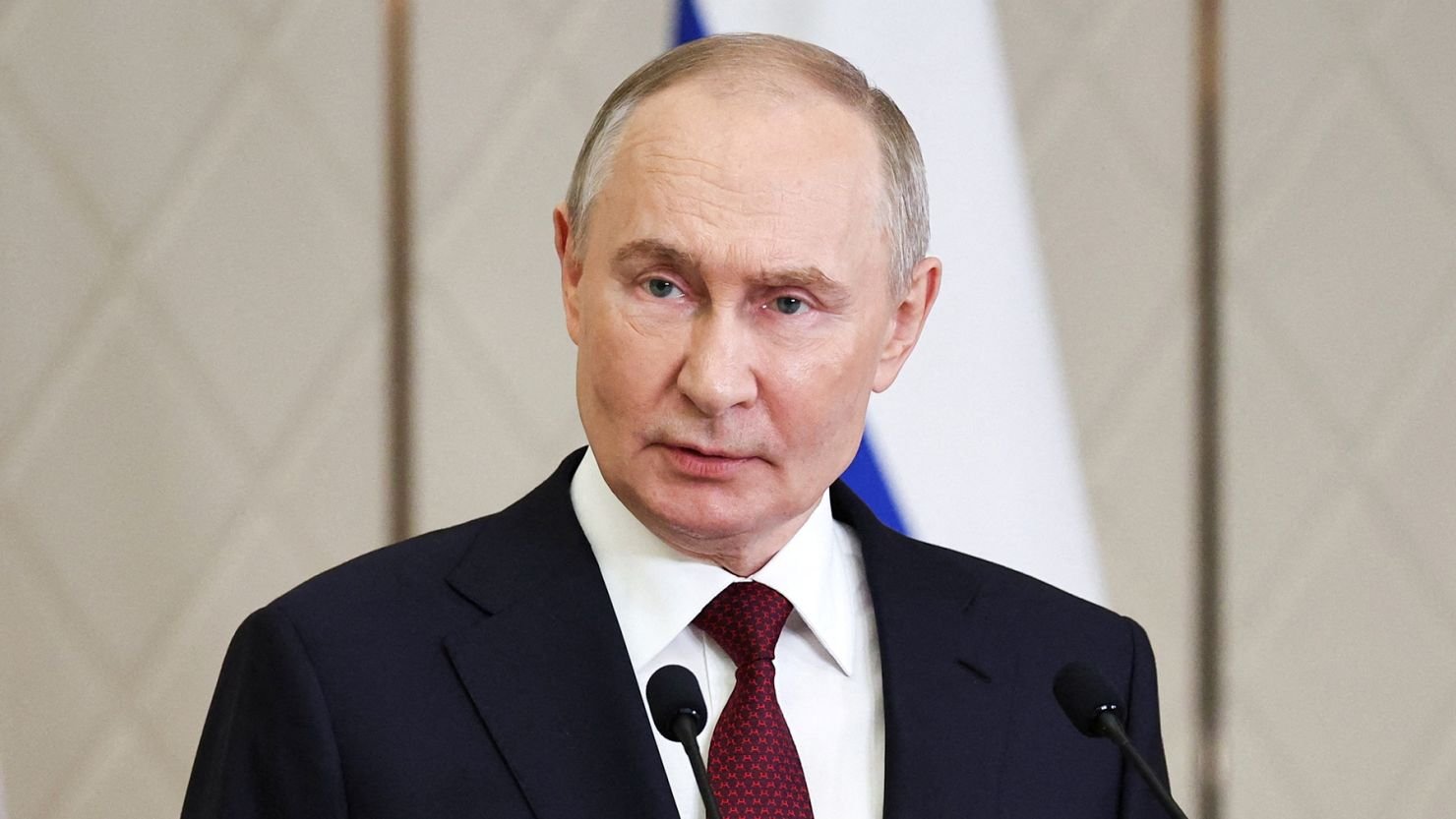
Moscow, Sep 27,2025: Russian President Vladimir Putin today said the country will launch in the Tomsk Region, the world’s first nuclear power system with a closed fuel cycle wherein 95 percent of the spent fuel will be reused in the reactors more than once.
Speaking at the Global Atomic Forum here yesterday evening Putin said, “As per OECD estimates, all uranium resources under an optimistic scenario will be fully depleted by 2090, which is about eight million tons. In practice the depletion may even happen as early as the 2060s.”
The forum is being held as part of World Atomic Week, which marks the 80th anniversary of Russia’s nuclear industry and is themed “From a New Technological Paradigm to a New Worldview.”
“Given that a quarter of uranium reserves are found in deposits where uranium is a by-product, by 2030 – here I come to what I believe Russia can truly be proud of – we plan to launch in the Tomsk Region the world’s first nuclear power system with a closed fuel cycle,” Putin said.
Terming it as a revolutionary development made possible by Russian scientists and engineers, Putin said by closing the nuclear fuel cycle, almost the entire volume, that is, 95 percent of spent fuel will be reused in reactors more than once.
“This mechanism will, in the long term, make it possible to virtually eliminate the problem of radioactive waste accumulation and, which is also extremely important, essentially remove the issue of uranium supply,” Putin added.
According to him, the full range of advanced materials for the closed fuel cycle will be tested at the International Research Centre now being established in the Ulyanovsk Region.
“We invite scientists from different countries to cooperate in developing technologies that, without exaggeration, open a new era in nuclear energy,” Putin said.
On the funding of new nuclear power plants, he said, “There is a need to develop modern financing models and involve international financial institutions and development banks.”
Putin said, “Earlier this year, the New Development Bank established by the BRICS countries confirmed its readiness to finance nuclear projects, while at the end of last year, on Russia’s initiative, a BRICS coordination mechanism – the Nuclear Energy Platform – was established.”
He said Russia’s principled approach ensures its leadership in this field.
“First, we strictly honour our contractual obligations. I want to emphasise this. We fulfill all our obligations entirely regardless of political circumstances,” he said.
“Second, we reject “technological colonialism” and do not make our partners dependent on Russian technical solutions. On the contrary, we help them establish their own sovereign national nuclear industries, including personnel training and the creation of competence centres. We enlist local companies, assist in the operation of power units, and ensure the supply of nuclear fuel and waste management,” Putin said.
Continuing further Putin said, Russia shares its experience and knowledge in building other advanced industries of the 21st century, such as nuclear medicine, digital systems, electric transport and innovative materials.
“As a result, we help our partners make a genuine development leap, bring their economies to a whole new level of efficiency, and ultimately improve quality of life,” Putin said.
Russia views peaceful nuclear technologies as the foundation for extensive international cooperation and for fostering closer ties among nations. Russia is keen on establishing stable, long-term conditions for projects within the nuclear sphere, Putin said.
LONDON/TORONTO, Sept 22,2025: Britain, Canada, Australia and Portugal all recognised a Palestinian state on Sunday in a move borne out of frustration over the Gaza war and intended to promote a two-state solution, prompting a furious response from Israel.
The decision by four nations from the West, which has traditionally allied with Israel, aligned them with more than 140 other countries also backing Palestinians’ aspiration to forge an independent homeland from the occupied territories.
Britain’s decision carried particular symbolism given its major role in Israel’s creation as a modern nation in the aftermath of World War Two.
“Today, to revive the hope of peace for the Palestinians and Israelis, and a two-state solution, the United Kingdom formally recognises the State of Palestine,” said Prime Minister Keir Starmer.
“The man-made humanitarian crisis in Gaza reaches new depths. The Israeli government’s relentless and increasing bombardment of Gaza, the offensive of recent weeks, the starvation and devastation are utterly intolerable.”
Other nations, including France, are expected to follow suit this week at the United Nations General Assembly in New York.
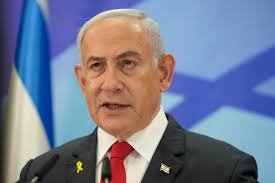
Israeli Prime Minister Benjamin Netanyahu condemned the move.
“I have a clear message to those leaders who recognise a Palestinian state after the horrific massacre of October 7: You are giving a huge reward to terrorism,” he said, referring to Palestinian militant group Hamas’ 2023 attack on Israel that triggered the nearly two-year war in Gaza.
“And I have another message for you: It will not happen. A Palestinian state will not be established west of the Jordan River.”
The Hamas-led attack on Israel killed 1,200 people and saw 251 others taken hostage, according to Israeli tallies.
Israel’s ensuing campaign in Gaza has killed more than 65,000 Palestinians, most of them civilians, according to local health authorities, spread famine, demolished most buildings and displaced most of the population – often multiple times.
PALESTINIANS WELCOME RECOGNITION
“It is a human duty of every respectful and free human being in the world to support Palestinians during the ordeal they are going through and Britain’s role now comes within this,” said Sharaf Al Tarda, a Palestinian resident of Hebron in the Israeli-occupied West Bank.
Hamas welcomed the move but said it must be accompanied by “practical measures” to end the war in Gaza and prevent Israel from annexing the West Bank.
Palestinian President Mahmoud Abbas said recognition would help pave the way for the “State of Palestine to live side by side with the State of Israel in security, peace, and good neighbourliness”.
Starmer wrote to Abbas to confirm Britain’s decision, noting that London had backed a Jewish homeland in 1917 while also pledging to protect the rights of non-Jewish communities.
Western governments have been under pressure from many in their parties and populations angry at the ever-rising death toll in Gaza, images of starving children and their states’ inability to rein in Israel, even continuing to provide arms.
Announcing his country’s decision, Canadian Prime Minister Mark Carney said it would empower those seeking peaceful co-existence and the end of Hamas. “This in no way legitimises terrorism, nor is it any reward for it,” he added.
Portugal’s Foreign Affairs Minister Paulo Rangel said this recognition was a “fundamental line of Portuguese foreign policy”. Speaking to reporters at the headquarters of Portugal’s permanent mission to the United Nations in New York, he said: “Portugal advocates the two-state solution as the only path to a just and lasting peace…a ceasefire is urgent.”
The United States, Israel’s closest ally, did not comment immediately on the decision by three of its allies to recognise a Palestinian state, but President Donald Trump has previously made clear he opposes such a move.
Israeli Security Minister Itamar Ben-Gvir said he would propose that the cabinet apply sovereignty in another Israeli-occupied Palestinian territory, the West Bank. That would represent de facto annexation of land seized in a 1967 war.
BRITAIN PLAYED A KEY HISTORIC ROLE
British troops captured Jerusalem from the Ottoman Empire in 1917, and in 1922 the League of Nations awarded Britain an international mandate to administer Palestine during the post-war deal-making that redrew the map of the Middle East.
Sept 22,2025: The goods and services tax (GST) rate rationalisation announced by the GST Council earlier this month will come into effect today, on September 22, 2025.
Union Finance Minister Nirmala Sitharaman said the Council approved revision of GST slabs from four (5 per cent, 12 per cent, 18 per cent, and 28 per cent); to two (5 per cent and 18 per cent), plus a special rate of 40 per cent on select items and sin goods.
‘Relief for middle-class’: Nirmala Sitharaman
Termed as a “Diwali gift” to consumers, Sitharaman said the aim of the new reforms is to bring relief to the middle class. “In common man and middle class items, there is a complete reduction,” she stated.
“This reform is not just about rationalising rates. It’s also on structural reforms. It’s also about ease of living, so that businesses can conduct their operations with the GST with great ease. We’ve reduced the slabs. There shall be only two slabs, and we are also addressing the issues of compensation cess,” the finance minister added.
GST rate: What items get cheaper?
As many as 375 items, including automobiles, electronics, equipment, kitchen staples and medicines, are set to get cheaper for you from today.
Food items that will see reduced prices include beverages containing milk, coffee, condensed milk, biscuits, butter, cereals, corn flakes, drinking water packed in 20-litre bottles, dry fruits, fruit pulp or fruit juice, ghee, ice cream, jam and fruit jellies, ketchup, namkeen, paneer, pastry, sausages and meat, and tender coconut water, among others.
Other daily items such as after-shave lotion, face cream, face powder, hair oil, shampoos, shaving cream, talcum powder, toothbrush, and toilet soap bars could see reduction in prices.
In electronics, the items that will see price cuts include, airconditioners (ACs), diswashers, televisions (TVs), and washing machines.
Cost of medicines will come down for the common man, GST for medical devices such as diagonistic kits and glucometers has been cut to 5 per cent, which could lead to price cuts as well. The government has already directed pharmacies to revise their MRP or sell medicines at a lower rate after taking into account GST cut benefits, according to a PTI report.
In the beauty and physical well-being services, GST has been slashed for barbers, fitness centres, health clubs, salons, and yoga, which could be passed to the end customers.
For homebuyers, GST on cement has been reduced from 28 per cent to 18 per cent, which is likely to lead in lower home prices.
The biggest beneficiary has been the auto space, where effective tax including cess has been reduced from 35-50 per cent to flat 40 per cent.
Notably, after the GST rate cut announcement, several consumer brands announced reduction in the prices of their goods, including Amul, HUL, L’Oréal and Himalaya. Auto brands also rushed to announced the “Diwali” rate reductions from September 22, 2025.
NEW DELHI, Sept 20,2025: Imposing a new $100,000 annual fee on H-1B visa applications could disrupt the global operations of Indian technology services companies that deploy skilled professionals to the United States, India’s IT industry body Nasscom said on Saturday.
The White House announced the new fee on Friday, prompting some major U.S. tech firms to advise visa holders to either remain in the country or return there quickly. The new fee marks Washington’s most high-profile attempt to overhaul the country’s temporary employment visa system.
Nasscom, representing India’s $283 billion IT and business process outsourcing industry, said the abrupt rollout of the policy would impact Indian nationals and disrupt continuity of ongoing onshore projects for the country’s technology services firms.
The industry body said the one-day deadline for the new policy created “considerable uncertainty for businesses, professionals, and students across the world.”
It also said the new policy could have “ripple effects” on the U.S. innovation ecosystem and on global job markets, pointing out that for companies, “additional cost will require adjustments”.
Microsoft, JPMorgan (JPM.N), Amazon responded to the announcement by advising employees holding H-1B visas to remain in the United States.
Since taking office in January, President Donald Trump has launched a broad crackdown on immigration, including efforts to limit certain forms of legal immigration.
Trump’s proclamation aims to curb the overuse and alleged abuse of the H-1B visa programme, which employers have used to bring in foreign workers, mostly from India, sometimes seen as replacing or undercutting American workers. However, this move, which has already drawn a lot of chatter in India, may not be entirely detrimental to the world’s largest democracy, and in some ways could have potential upsides.
Social media users and renowned faces, including former diplomats and former Niti Aayog CEO Amitabh Kant, have slammed Trump’s move, asserting that the massive USD 100,000 H1-B fee will destroy the American economy and not the Indian economy.
The H-1B visa programme has been a significant factor in India’s brain drain, allowing the US to acquire top Indian talent, particularly in tech, without bearing the significant training costs borne by Indian institutions and the nation. While some argue this creates global networks and remittances for India, the overall impact is seen as a loss of valuable human capital.
But, Trump’s move to massively hike the H-1B visa fee has sparked an opportunity for Indians working in the US to return and contribute their skills and ideas for the homeland. This could also significantly boost the ‘Aatmanirbhar Bharat’ programme, which the government is heavily focusing on in various sectors, be it defence, technology or R&D.
Apart from this, social media users in India too said Trump’s move will kill the US economy and at the same time, create opportunities for Indians working in the US to contribute to nation-building and demand better infrastructure from the government.
New Delhi, Sep 19,2025: The European Commission (EC) has outlined a ‘New Strategic EU-India Agenda’ to deepen, broaden and better coordinate bilateral cooperation, enhance prosperity and security for both partners and help tackle major global challenges.
The EC adopted a Joint Communication outlining the ‘New Strategic EU-India Agenda’ marking a significant milestone in EU-India relations. This initiative was announced by President von der Leyen in her Political Guidelines for 2024-2029.
She said the two sides will cooperate in advancing trade, investment and talent mobility, strengthening joint economic security, advancing the clean transition and driving innovation together, deepening industrial cooperation in Defence.
Kaja Kallas, High Representative for Foreign Affairs and Security Policy/Vice-President of the European Commission, said ‘’India is one of the most important players in the world today and a natural partner for the European Union. There are many areas where our interests, strengths and political will align. Boosting our collaboration – which we are proposing today – will benefit the security and prosperity of citizens and businesses on both sides. There are areas where we disagree. Ultimately our partnership is about defending a rules-based international order. Our negotiations will address these challenges.
The Joint Communication identifies five areas of shared interest and complementary strengths, building on existing ties while addressing areas that present potential for increased engagement. Amid shifting geopolitical realities, closer EU–India relations are increasingly vital for strengthening economic growth and security and diversifying supply chains in response to today’s uncertain global order.
Beyond the bilateral dimension, the new strategic agenda highlights EU-India joint engagement on global issues and with third partners, reflecting India’s growing global influence, according to the Joint Communication.
It also identifies significant untapped potential in trade and investment, outlining strategies to strengthen commercial ties, particularly finalising the ongoing negotiations on a Free Trade Agreement (FTA).
It proposes reinforcing supply chains while promoting critical emerging technologies and engagement on digital issues, with particular attention to strengthening economic security within the Trade and Technology Council (TTC).
The new strategy also proposes deepening tech cooperation, including a potential EU-India Startup partnership, and invites India to associate with Horizon Europe programme. It suggests ambitious initiatives for decarbonisation and the clean transition, such as intensifying cooperation on renewables, developing green hydrogen capabilities and expanding green finance.
Moreover, it highlights opportunities to jointly strengthen food security, and health, climate and disaster resilience.
The Joint Communication takes forward the proposed EU-India Security and Defence Partnership. ‘’This will enhance strategic consultations and joint initiatives, including on crisis management, maritime security, cyber defence, and counterterrorism, and foster defence industrial cooperation, focusing on boosting production and technological capabilities, securing supply chains, and driving innovation.
It said that launching negotiations for a Security of Information Agreement to facilitate classified information exchange will support closer security and defence cooperation. Closer cooperation on the Indo-Pacific, addressing hybrid threats, space security, and intensifying engagement on Russia’s war against Ukraine, shadow fleets, and sanctions are other areas of focus.
The Joint Communication prioritises maximising interaction and strengthening EU-India coordination at all levels. This includes skills mobility with the pilot European Legal Gateway Office to facilitate labour mobility.
It also proposes developing a comprehensive mobility cooperation framework covering study, work, and research. In addition to deeper engagement with civil society, youth and think tanks, further reach out to the businesses community is supported by the proposal for an EU-India Business Forum.
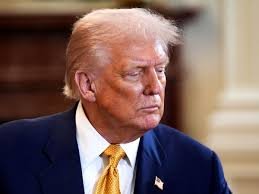
Washington DC [US], September 19,2025: US President Donald Trump has declined to give approval for USD 400 million of military aid to Taiwan because he is seeking to negotiate a trade deal with China, The Washington Post reported citing sources.Trump is also striving for a summit deal with his Chinese counterpart Xi Jinping, as per an exclusive report of the US newspaper on Thursday.The Trump administration is generally seeking to soften relations with Beijing, the Post noted. The US media report comes just ahead of Trump’s call with his Chinese counterpart Xi Jinping later today. A White House representative said that the aid package decision is not final and may be reviewed.According to local US media outlets, Trump and Xi are expected to speak today to discuss a deal to confirm the framework of a deal that would separate the TikTok app from its Chinese owner, ByteDance, to avoid a ban in the United States.
“We have a deal on TikTok. I’ve reached a deal with China. I’m going to speak to President Xi on Friday to confirm everything up,” Trump told mediapersons outside the White House on Tuesday according to the New York Post.Last year, former US President Joe Biden enacted a law mandating that TikTok’s parent company, ByteDance, based in China, sell off the app or face a ban in the US due to national security concerns.A US federal law was scheduled to take effect in January this year, requiring the company to find a non-Chinese owner or face a ban in the United States. Trump later extended the deadline.US Treasury Secretary Scott Bessent at a press conference in Madrid on September 14 announced that the United States had a “framework” for a deal to keep TikTok operational in the US.Chinese and US officials had trade teams held a new round of talks in Madrid, Spain, on Sunday and Monday, following discussions earlier in Switzerland, Britain and Sweden, Xinhua reported.Li Chenggang, China’s international trade representative and vice minister of commerce was cited by the Chinese news outlet as saying that the the two sides held candid discussions on TikTok and related concerns, reaching a basic framework consensus on resolving the issue through cooperation, reducing investment barriers and promoting economic and trade ties.China claims Taiwan as a part of its territory and has vowed to unify with Taiwan, using force if necessary.