New Delhi, October 23,2026: Quantum computing could generate between USD 1.3 trillion and USD 2.7 trillion in economic value worldwide by 2035, but businesses need to invest in talent, technology and partnerships now to secure an early advantage, according to a report by McKinsey & Company.The report said quantum technology was moving from experimental projects towards commercial applications, with more than 300 organisations worldwide already working with quantum technology providers.The report warned that companies delaying investment risk losing access to the partnerships, talent and intellectual property needed to compete as the technology develops. It also highlighted potential security risks, as sufficiently advanced quantum computers could eventually break the public-key encryption systems used to protect sensitive information.“Waiting to invest is risky,” the report said, adding that companies could face serious security challenges when quantum computers reach the stage of being able to break existing encryption methods. McKinsey outlined three stages of development, from early commercial adoption to the establishment of competitive positions by 2035 and a wider quantum-enabled economy by 2040.
Investment in the sector is already increasing. Equity investment in quantum technology rose from USD 2.5 billion in 2024 to USD 13.3 billion in 2025, the report said. Combined revenue of quantum computing companies crossed USD 1 billion in 2025 and could rise to as much as USD 4.4 billion by 2028.The report estimated that the global market for quantum computing hardware, software and services could reach USD 60 billion to USD 100 billion by 2035. Quantum communication could represent a market worth USD 11 billion to USD 15 billion, while quantum sensing could reach USD 7 billion to USD 10 billion by the same year.However, McKinsey cautioned that the timeline remains uncertain because of manufacturing constraints, shortages of specialised talent and a lack of consensus on which quantum computing technology will scale most effectively.The report also identified cybersecurity, pharmaceuticals, chemicals and robotics as areas where quantum technology could create significant value. Quantum computing could generate up to USD 400 billion in value for the pharmaceutical industry and unlock up to USD 800 billion in the chemicals industry by 2035, it estimated.McKinsey further said businesses should focus on building partnerships, testing potential applications and developing internal expertise before large-scale quantum systems become commercially available. It added that quantum computing could also help address computing and energy constraints affecting the expansion of artificial intelligence (AI).
Oct 16,2026: Mukesh Ambani’s Reliance Industries on Friday responded to Elon Musk’s recent remarks about the Indian market and its role in Starlink’s entry into the country, saying it has never feared competition and that every player must abide by Indian laws and policies.
In a statement, Reliance said it welcomed competition in satellite communications, including from Starlink.
It also said all companies, Indian or foreign, must follow the same regulatory process, pointing out that Jio’s satellite services were also awaiting clearances.
The response follows Musk’s remarks accusing the Indian government of favouring established telecom operators over competing players.
The dispute resurfaced after Lauren Dreyer, SpaceX’s vice-president of Starlink Business Operations, told attendees at the India Mobile Congress (IMC) 2026 that the company was ready to begin operations in India but was waiting for regulatory approvals.
“In light of recent remarks about Reliance and the Indian market, we wish to place the facts on record. Like every Indian enterprise, Reliance has grown in an India that welcomes investment and innovation, homegrown or international, that improve the lives of the people,” Reliance Industries said in a statement on Friday.
The company also defended its record on competition, highlighting Jio’s entry into the crowded Indian telecom market in 2016 without any existing customers. It said Jio had since attracted more than 530 million subscribers and helped make digital connectivity more affordable.
“At Reliance, we have never feared competition. We see it as the truest test of who serves the customer best. Jio itself entered India’s crowded telecom market in 2016 as the newest player, with not a single customer. In just ten years, Jio has earned the trust of over 530 million customers and given Indians some of the best digital infrastructure and most affordable data in the world,” the company stated.
Musk first alleged on his social media platform, X, that Starlink was being blocked by certain “oligarchs” keen to keep a “monopolistic chokehold” on Indians.
India’s ministry of communications hit back the next day, calling any suggestion that the framework or its application was unfair or discriminatory “baseless and misconceived” and that the security assessment of the three entities was underway, with all at “broadly the same regulatory stage”.
On October 8, the communications ministry rejected the charge, calling suggestions of discrimination “baseless and misconceived.” It said India’s satcom framework was fair and non-discriminatory,
Hours later, Musk escalated his attack, saying Starlink was licensed to operate in more than 165 countries and had spent five years complying with Indian rules. “So why still no licence? Is Ambani the real boss of India?” he asked, referring to Reliance Industries chairman Mukesh Ambani.
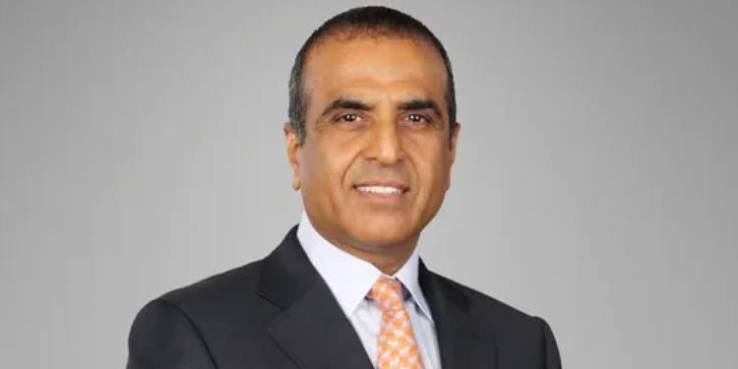
Ahead of Musk in queue: Sunil Mittal
Bharti Airtel chairman Sunil Bharti Mittal on October 14 said his satcom venture Eutelsat OneWeb is significantly ahead of Musk’s Starlink in the satcom queue in India, with the licence applied five years ago, and added that he would be happy to receive the go-ahead at least a few days before the US tech billionaire.
“I think I am significantly ahead in the queue from him. I applied five years back,” Mittal said at the Bloomberg New Economy Forum 2026.
New Delhi, Oct 5,2026: The Supreme Court on Monday agreed to list a plea seeking directions to the Delhi Police to allow peaceful protests at Jantar Mantar in the national capital, amid ongoing demonstrations against Chief Election Commissioner Gyanesh Kumar.
The plea was mentioned before a bench headed by Chief Justice Surya Kant. Appearing for the petitioner, counsel submitted that the Delhi Police was not permitting peaceful protests in the city, including demonstrations by students, citizens, office-bearers of registered political parties and Members of Parliament.
The plea, filed amid protests against Chief Election Commissioner Gyanesh Kumar, seeks directions to the Delhi Police to permit peaceful demonstrations.
Chief Justice Surya Kant asked counsel to clarify the relief sought and whether the matter was a PIL. The CJI said the Court would check if similar pleas were pending and agreed to list the matter for consideration.